
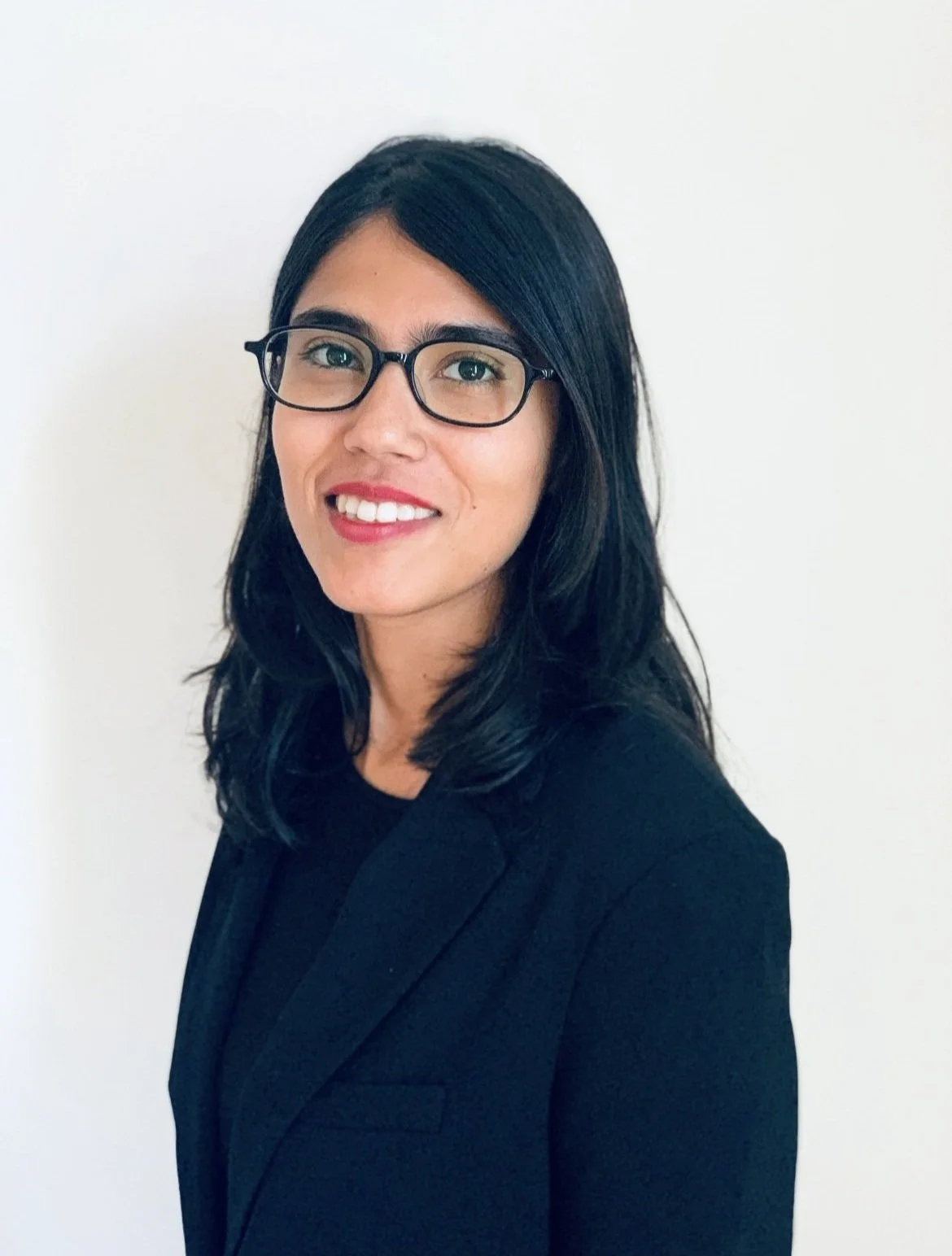
Aditi Mehra
Registered Psychotherapist
Session Types: Online
Clients:
Individuals (Adults & Teens 15+)
Couples & Families
Specialties:
Gottman Method
Emotion Focused Therapy (EFT)
Internal Family Systems (IFS)
Narrative Therapy
More About Aditi
Aditi firmly believes in the transformative power of a safe therapeutic relationship as fundamental to the change process. Whether she’s working with individuals, couples, or families, her experiential approach centres on empowering clients to make informed choices by making sense of the past and it’s impact on present circumstances, while underscoring the importance of the here and now.
Aditi uses an integrative therapeutic approach grounded in systemic thinking and attachment theory, drawing from modalities like Emotionally Focused Therapy, the Gottman Method, Internal Family Systems, Narrative Therapy, and Structural Family Therapy. In practice, this means she helps clients to understand the patterns shaping their inner and relational lives, while gently supporting them in moving toward more intentional and connected ways of being.
At the heart of Aditi's practice is a dedication to promoting awareness and compassion. She works collaboratively with clients to identify and address rigid patterns that are not serving them, while nurturing behaviours that promote peace and harmony, both within and relationally. Aditi also deeply values and leverages the wisdom and strengths of her clients. She takes a goal-oriented approach to therapy, actively seeking and valuing feedback to ensure the process remains meaningful and effective.
Outside of the therapy room, Aditi is a curious traveler, having lived in numerous cities and traveled extensively across continents. As such, she is particularly attuned to how different aspects of a person's identity intersect with mental health. This background further equips her to honour diverse narratives and informs her approach to effectively support clients navigating periods of change.
In Aditi’s Words
Becoming a therapist was never just a career decision - it was something I felt pulled toward. Over the years, both personally and professionally, I’ve come to see how deeply relationships shape us - how connection, conflict, loss, and repair all leave lasting imprints. What I love most about this work is sitting with people in their most vulnerable moments and helping them make sense of their experiences, not in isolation, but in the context of the relationships and systems around them.
Therapy, to me, is about creating space - for stories that have never been told, for pain that’s been quietly carried, and for relationships that are longing to feel safe again. I’m continually humbled by how much courage it takes to show up, speak truthfully, and do the work of healing. Over time, I’ve learned that change doesn’t come from having the “right” answers - it comes from connection, curiosity, and compassion. It’s a constant reminder that healing doesn’t mean becoming someone new - it often means coming home to who we already are. That’s what I try to offer in my work: a space where people feel seen and even the most stuck places can begin to soften.
Education
• Master of Science (MSc) in Couple and Family Therapy
• Master of Arts (MA) in Psychology
Relevant Facts
• Certification in Queer Affirmative Counselling Practice
• Trained in anti-oppressive and trauma-informed care
Irrelevant Facts
• I will never say no to a spontaneous ice cream run (even in winter)
• I’ve lived in several cities and continents—so I know what it means to feel both rooted and untethered

Q&A
-
I chose to become a therapist because I saw, firsthand, how deeply emotional pain can affect individuals and relationships—and how rarely it’s acknowledged, especially in the cultural context I grew up in. Mental health was often stigmatized, and so many people carried their struggles quietly, without space to process or heal. Over time, I became deeply curious about what actually helps people shift—what creates the conditions for healing, change, and deeper connection. That curiosity, along with my own personal experiences of both pain and transformation in relationships, is what brought me to this important work.
-
I started with individual work, but I quickly realized that many of the concerns people brought in were rooted in relational experiences and family systems. I often felt the limitations of working with just one person, especially when the patterns they were trying to change were still playing out in their relationships. Training in couple and family therapy allowed me to go deeper and work more holistically. It also helped me integrate the systemic lens I was already holding—thinking not just about emotions and attachment, but also about power, culture, and generational influences.
Q&A with Aditi: How much emotion do you allow yourself to show in the therapy room?
Areas of Focus
Academic Stress
Acculturation Stress
ADHD / Attention Issues
Anger Management
Anxiety
Assertiveness Training
Attachment Issues
Career Stress / Burnout
Co-Parenting
Codependency
Coming Out
Communication Skills
Depression
Emotional Abuse
Family Conflict
Friendships / Social Issues
Imposter Syndrome
Infidelity / Trust Issues
Identity & Values Clarification
Immigration / Refugee Experiences
Intercultural Relationships
Jealousy / Insecurity
LGBTQIA+ Affirming
Life Transitions
Marginalization / Minority Stress
Motivation / Goal Setting
Parenting Challenges
Peer Pressure / Bullying
Perfectionism
Procrastination
Quarter-Life Crisis
Racial Identity / Discrimination
Relationship Conflict
Relocation / Immigration Stress
Self-Compassion
Self-Esteem / Confidence
Sexual Issues / Intimacy
Sexual Orientation
Shame / Guilt
Sibling Issues
Systemic Oppression
Transition to Adulthood
Work-Life Balance
Workplace Harassment / Discrimination
Not sure which therapist is right for you, or where to start? Check out our article on how to choose the right therapist for some quick guidance, or use our contact form and click “Match Me”.
In my work with couples, I often see how it’s not the absence of conflict, but the presence of consistent connection that predicts long-term relational health. I often remind partners that the strength of a relationship isn’t just tested in moments of conflict—it’s built in the quiet, everyday moments in between.